Philippine Legal Advice

Politician Being Interviewed By Journalist During Election

Substitution of Candidates in Philippine Elections

Candidates for elective offices can be substituted. Pursuant to Section 77 of Batas Pambansa Bilang 881, otherwise known as the Omnibus Election Code, substitution of candidates is allowed only in cases of death, withdrawal or disqualification of the original candidate. In cases of death or disqualification, the substitute may file his Certificate of Candidacy up […]

Substitution of Candidates in Philippine Elections Read More »

petition deny due course

A Brief Primer on Petitions to Deny Due Course or Cancel a Certificate of Candidacy in Philippine Elections

The information provided by a candidate in his Certificate of Candidacy (COC) cannot be taken lightly. Should a candidate make false statements of a material representation in the COC, his COC may be cancelled or denied due course. Section 78 of Batas Pambansa Bilang 881, otherwise known as the Omnibus Election Code, provides the remedy

A Brief Primer on Petitions to Deny Due Course or Cancel a Certificate of Candidacy in Philippine Elections Read More »

certificate of candidacy

Certificates of Candidacies in Philippine Elections

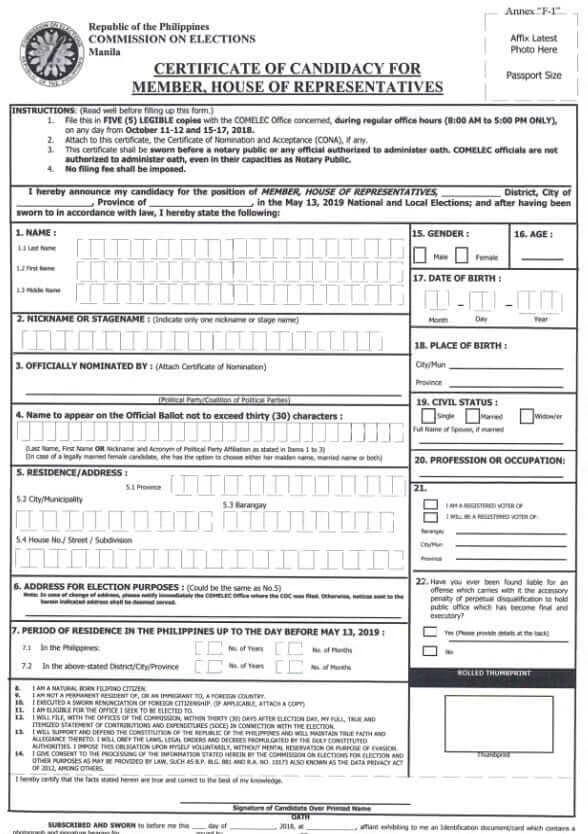
The importance of a valid certificate of candidacy rests at the very core of the electoral process. (Bautista vs. Comelec, G.R. No. 154796, 23 October 2003) As such, a person with a cancelled certificate is no candidate at all. The evident purposes of the law in requiring the filling of certificates of candidacy and in

Certificates of Candidacies in Philippine Elections Read More »
How to Resign Properly in the Philippines

If an employee is unhappy with his work or would like to seek greener pastures, the normal recourse is to resign. In San Miguel Properties v. Gucaban (G.R. No. 153982, 18 July 2011), the Supreme Court had the occasion to define resignation as follows: “Resignation — the formal pronouncement or relinquishment of a position or

How to Resign Properly in the Philippines Read More »

Infographic: Mga Dapat Mong Malaman Tungkol sa 13th Month Pay

Bilang isang corporate lawyer in the Philippines, isa sa mga madalas na itanong sa akin ng mga empleyado sa kumpanya ay ang tungkol sa kanilang 13th month pay. Karaniwan ng itinatanong ng mga empleyado, lalo na ang fresh graduates, ang tungkol dito. Ano ba ang 13th month pay? Lahat ba ay entitled makakuha nito? Magkano

Infographic: Mga Dapat Mong Malaman Tungkol sa 13th Month Pay Read More »

Lost Title? Not a problem.

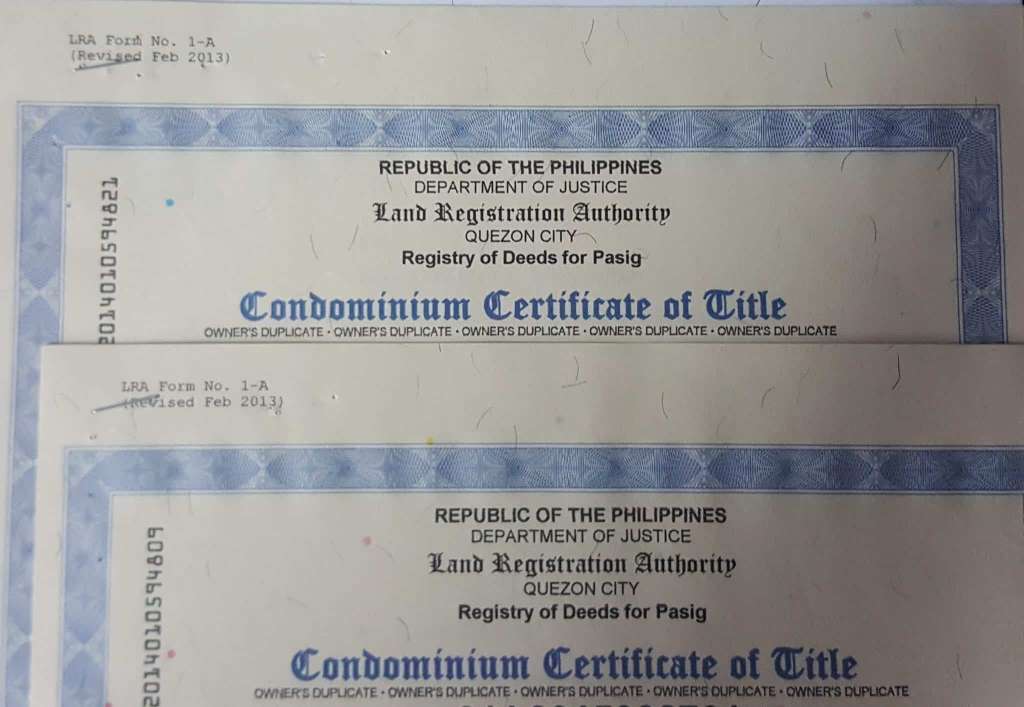
What do you do when your precious land titles are lost?  In the Philippines, land titles are issued under the Torrens System. The Torrens system of registration governs the issuance of titles covering real properties in the Philippines. These include privately owned land of whatever kind – agricultural land, commercial land, industrial land, and other

Lost Title? Not a problem. Read More »

sss

Employer’s SSS Condonation Program ends September 2019

The Social Security System (SSS) recently issued a reminder/notice to all employers of the current SSS Condonation Program and the fast approaching deadline, to avail of the program. Under the law, a penalty of three percent (3%) per month is assessed on unremitted contributions. This penalty continues to accrue and to compound, from the date

Employer’s SSS Condonation Program ends September 2019 Read More »

handcuffed

Cartel Criminalization and Leniency Policies in the Philippines

Cartel Criminalization and Leniency Policies in the Philippines (13 June 2018)    “Let me start with the obvious: cartel behavior (price-fixing, market allocation, and bid- rigging) is bad for consumers, bad for business, and bad for efficient markets generally. And let me be very clear: these cartels are the equivalent of theft by well-dressed thieves,

Cartel Criminalization and Leniency Policies in the Philippines Read More »

competition law glance

Philippine Competition Law at a Glance

Philippine Competition Law at a Glance (updated 06 March 2020) On 21 July 2015, Republic Act No. 10667, otherwise known as the Philippine Competition Act was finally enacted and became effective on 08 August 2015. However, a transitional period was provided by the law whereby an existing business structure, conduct, practice or any act that

Philippine Competition Law at a Glance Read More »

fake

How to file a Trademark Infringement Case with the Philippine Intellectual Property Office

Blood, sweat and tears. All these you invested so your brand can establish its niche in the market.  After years of hard work, your brand is now popular. You now have a regular clientele who patronize your products bearing your trademark.  Then one day, you realize that your sales declined. You wonder why. Upon investigation,

How to file a Trademark Infringement Case with the Philippine Intellectual Property Office Read More »