
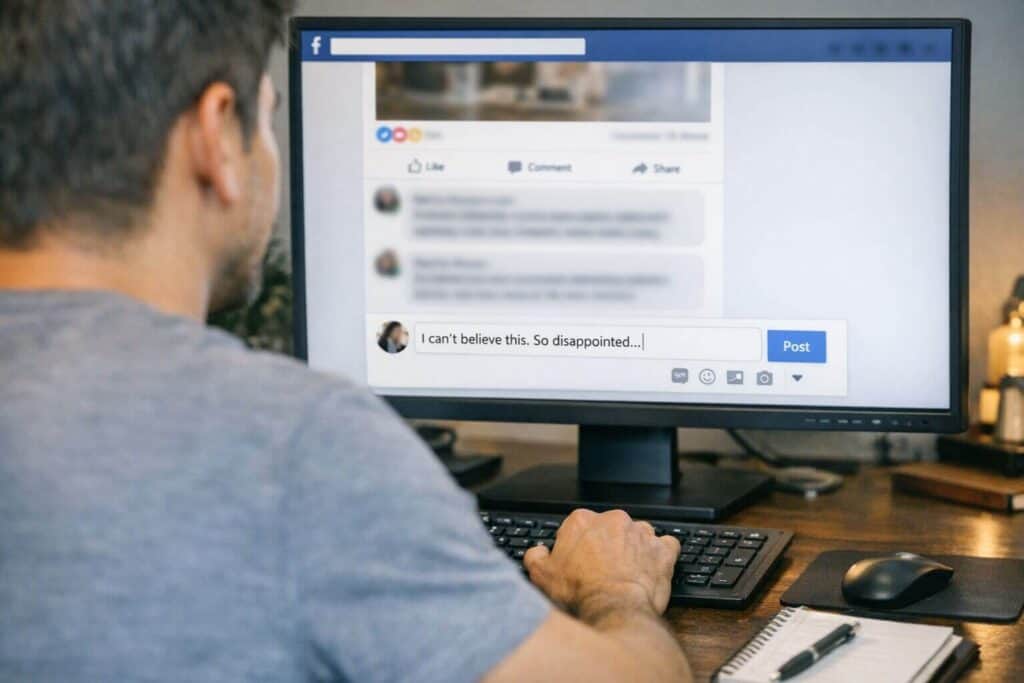
Do Sharing, Liking and Commenting Constitute Cyberlibel? Original Authors vs. “Netizens”
In the digital age, a single defamatory statement can be transmitted globally with a single click. This ease of communication raises a critical legal question: who is liable when a libelous post goes viral? While traditional libel focused on publishers and editors, the advent of social media necessitated a clear distinction between the person who creates the content and the “netizens” who interact with it through likes, shares, or comments. Understanding this distinction is vital for anyone navigating social media, as it defines the boundaries of criminal liability in the Philippines.
Governing Laws and the Definition of Cyberlibel
Cyberlibel is governed by Section 4(c)(4) of Republic Act No. 10175, also known as the Cybercrime Prevention Act of 2012. This law defines cyberlibel as the unlawful or prohibited acts of libel, as defined in Article 355 of the Revised Penal Code, committed through a computer system or any other similar means (Section 4(c)(4), Republic Act No. 10175). Furthermore, Section 6 of the same Act specifies that all crimes defined by the Revised Penal Code, when committed through information and communications technology (ICT), shall be punished with a penalty one degree higher than that provided in the Code (Section 6, Republic Act No. 10175).
The “Original Author” Rule
The Supreme Court clarified the limits of liability in the landmark case of Disini v. The Secretary of Justice (G.R. No. 203335, February 11, 2014). The Court ruled that the provision on cyberlibel is valid and constitutional only with respect to the original author of the post.
The Court struck down the application of Section 5 of RA 10175, which penalizes “aiding or abetting” the commission of a cybercrime, specifically as it relates to online libel. The Court reasoned that the complex web of interactions on social media—where thousands might “like” or “share” a post—would give law enforcers too much latitude and create a “chilling effect” on free speech if everyone who reacted to a post was held liable.
Practical Applications: Liking, Sharing, and Commenting
Under current jurisprudence, the following rules apply:
- Liking and Sharing: Simply pressing the “Like” or “Share” button on a defamatory post does not make a person liable for cyberlibel. These are often “knee-jerk sentiments” and do not constitute authorship of the libelous statement.
- Commenting: If a netizen’s comment merely reacts to the original post (e.g., “I agree!”), they are generally not liable. However, if the “Comment” creates an altogether new defamatory story against the victim, that person becomes the author of a new libelous publication and can be prosecuted.
Typical Scenario and Practical Advice
Imagine a blogger, Maria, posts a false accusation that a public official is a thief. Maria is the original author and is liable for cyberlibel (Section 4(c)(4), Republic Act No. 10175). If her friend, Linda, comments, “Yes, this is so true!”, Linda is generally not liable. But if Linda adds a new false claim, such as “He also steals from the local orphanage,” Linda becomes liable for that specific new imputation.
For affected individuals, the focus of legal action should be the original source of the post. For netizens, the safest course is to avoid making new factual imputations in the comments section of controversial posts.
About Nicolas and De Vega Law Offices
Nicolas and de Vega Law Offices is a full-service law firm in the Philippines. You may visit us at the 16th Flr., Suite 1607 AIC Burgundy Empire Tower, ADB Ave., Ortigas Center, 1605 Pasig City, Metro Manila, Philippines. You may also call us at +632 84706126, +632 84706130, +632 84016392 or e-mail us at [email protected]. Visit our website https://ndvlaw.com.

